Traditional Root Heritage
Exploring Lepidium meyenii and Panax ginseng in global botanical traditions
Lepidium meyenii Overview
Botanical Traits
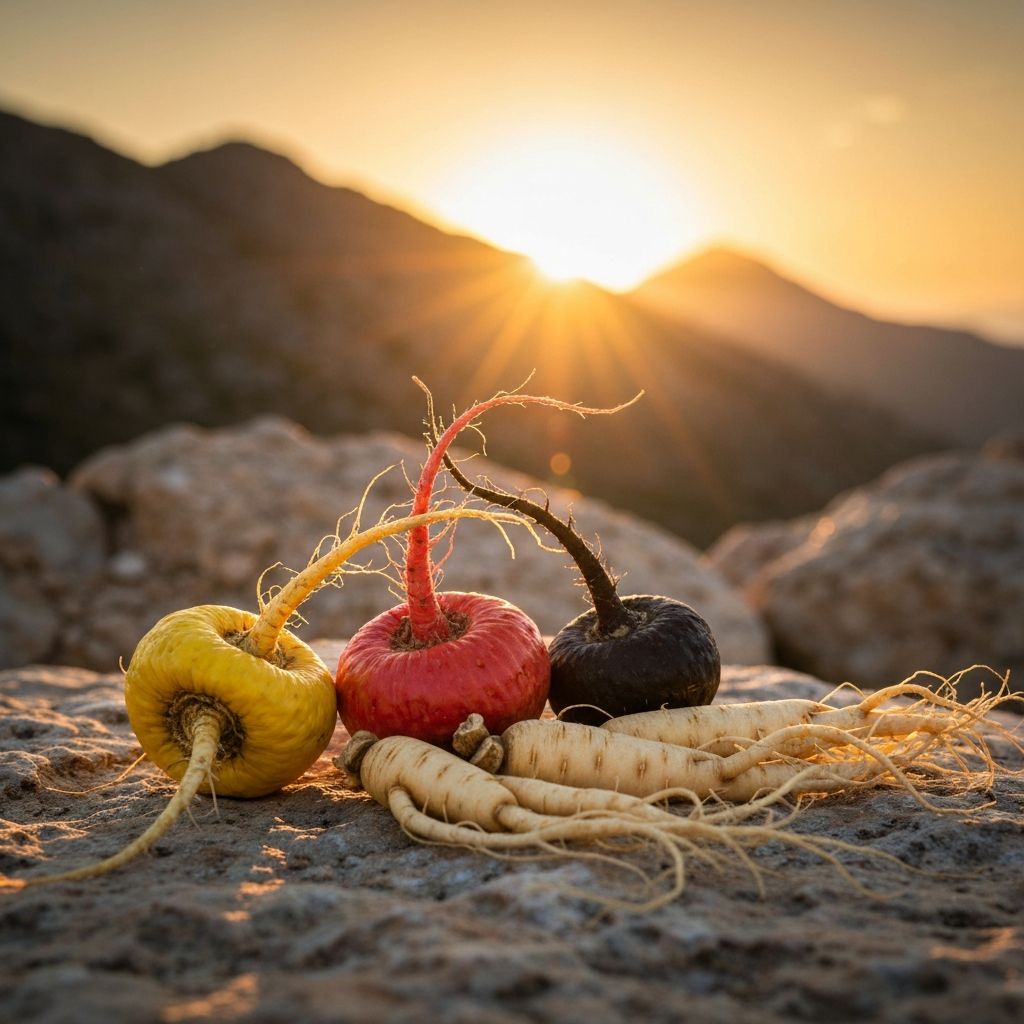
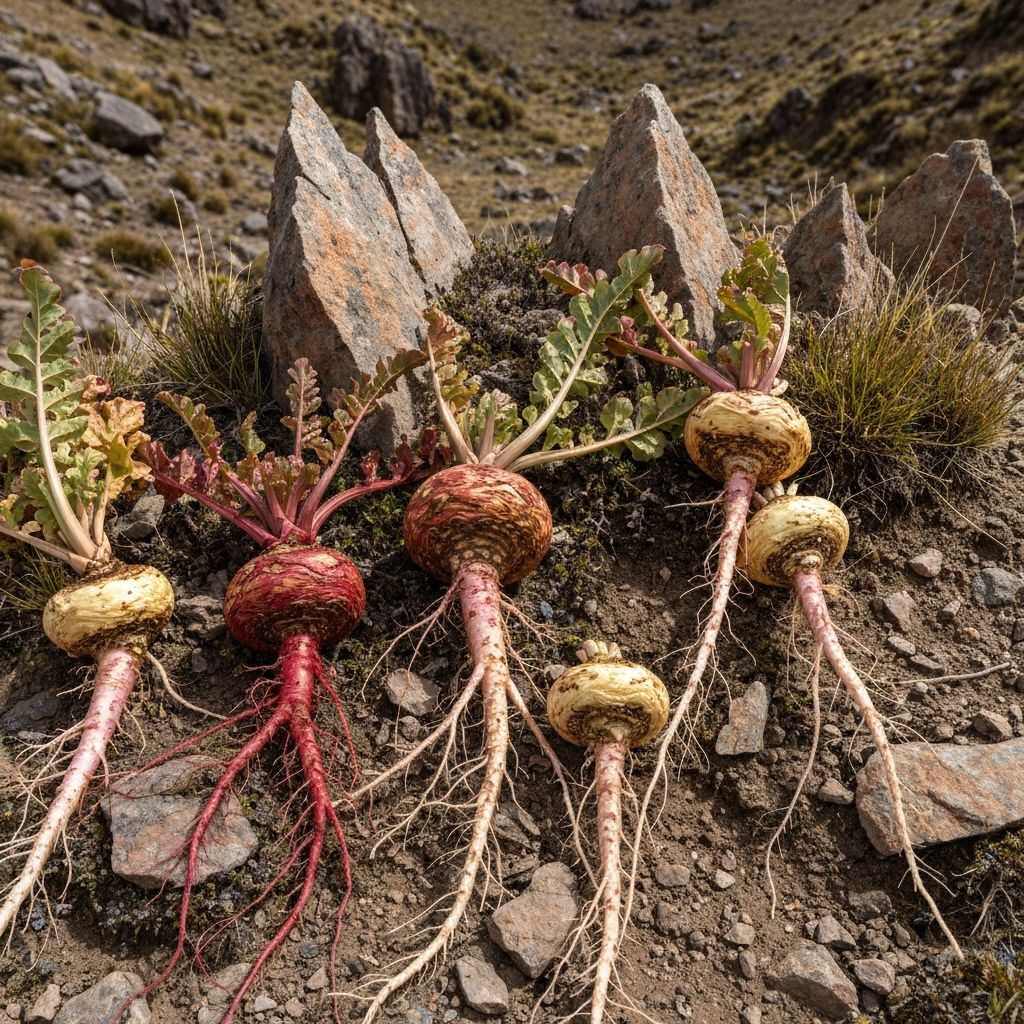
Lepidium meyenii, commonly known as maca, is a cruciferous root vegetable native to the Andes. The plant produces a hypocotyl (enlarged root-like structure) that exists in various colors including yellow, red, black, and purple varieties. Each variety exhibits distinct morphological and phytochemical profiles.
Andean Origins
Archaeological evidence suggests maca has been cultivated in the high-altitude regions of Peru for over 3,500 years. The plant thrives in the harsh environmental conditions of the Andes, where temperatures fluctuate dramatically and soil conditions are challenging.
Traditional Names
In traditional Quechua language, maca holds several cultural designations reflecting its role in Andean daily life. The name itself carries historical significance in indigenous botanical knowledge systems.
Panax ginseng Profile
Plant Description
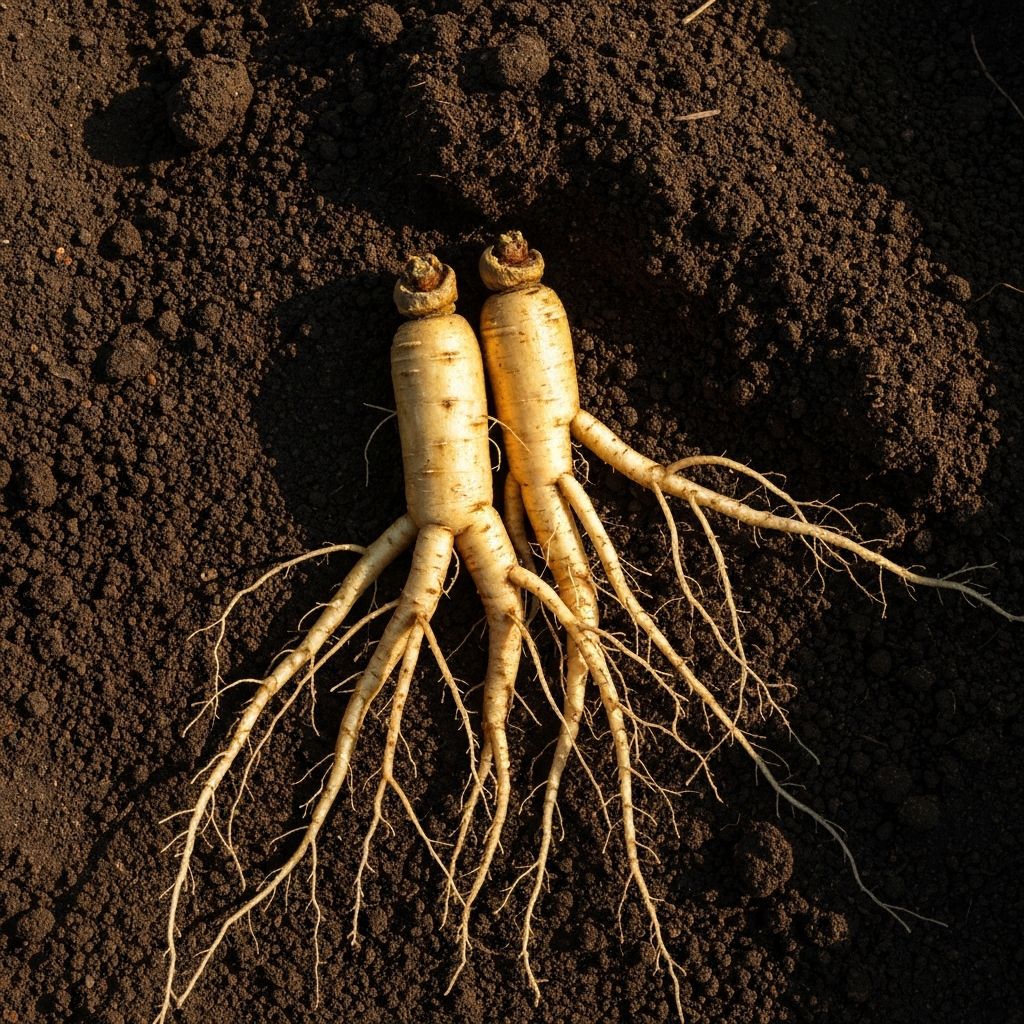
Panax ginseng, known as Asian ginseng or Korean ginseng, is a perennial plant belonging to the Araliaceae family. The root develops a characteristic shape and accumulates bioactive compounds over years of cultivation. The plant requires specific soil, temperature, and humidity conditions for optimal growth.
East Asian Cultivation History
Ginseng has been cultivated in East Asia for over 4,000 years, with extensive historical records from Korea, China, and Manchuria documenting its cultural and practical significance. Traditional cultivation methods have been refined over centuries, incorporating knowledge from multiple generations of cultivators.
Contemporary Cultivation
Modern ginseng cultivation in East Asian regions continues to blend traditional techniques with contemporary agricultural science, maintaining genetic diversity and sustainable growing practices across various climate zones.
Traditional Root Processing Methods
Throughout history, both maca and ginseng have been processed using methods refined over generations. These traditional approaches reflect deep understanding of plant properties and desired preparation outcomes.
Drying Processes
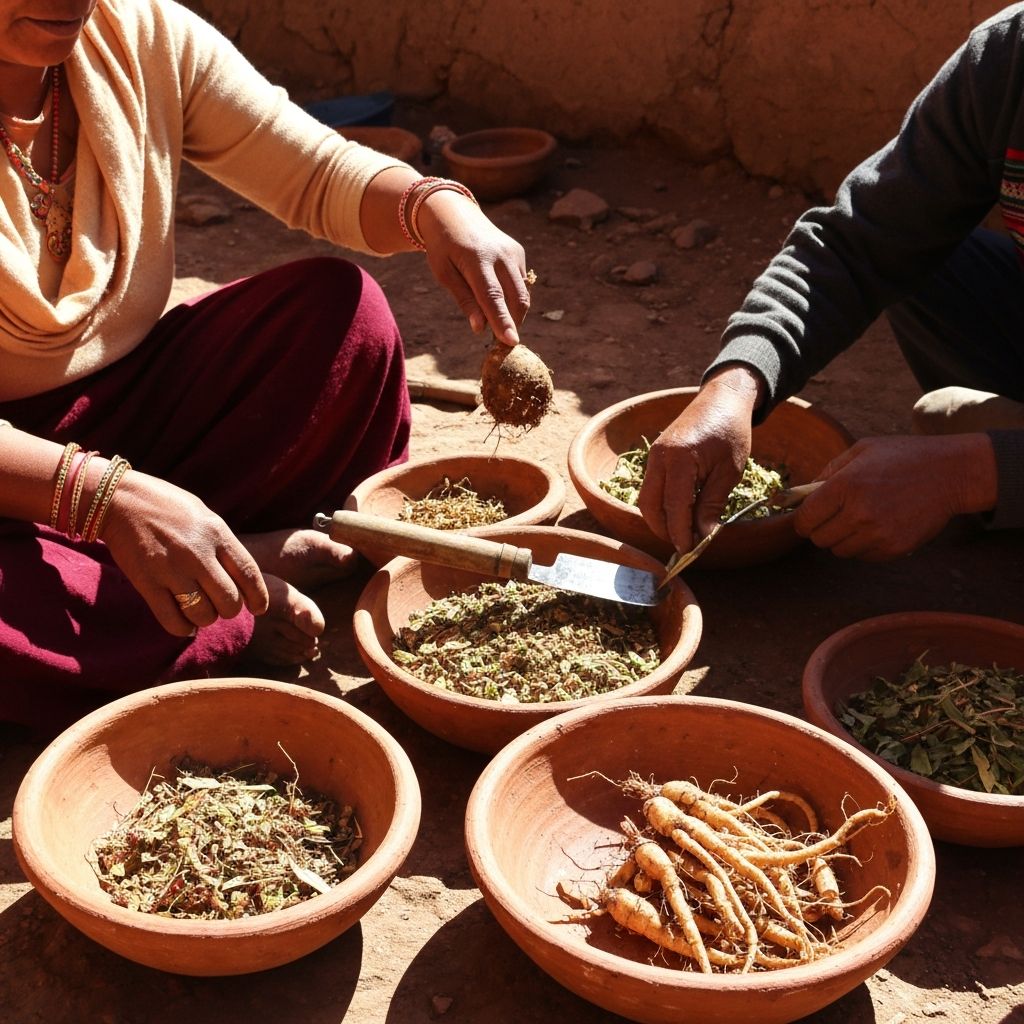
In Andean communities, maca roots are traditionally harvested, cleaned, and dried in natural sunlight over extended periods. This slow-drying method preserves the root's structural integrity and allows for long-term storage without degradation of phytochemical content. Similarly, ginseng in East Asian traditions is dried using methods ranging from natural air-drying to controlled temperature environments.
Powdering Techniques
Once fully dried, roots are ground into fine powder using traditional stone mills or contemporary mechanical grinders. This process increases surface area for extraction and makes consumption convenient in traditional beverage preparations.
Boiling and Decoction in Folk Practices
Folk traditions across cultures utilize boiled root preparations where roots are simmered in water to extract water-soluble compounds. Decoction methods often involve specific timing and temperature protocols passed down through cultural knowledge systems.
Traditional Infusions and Teas
Both dried root slices and powders are traditionally used to create beverages consumed as part of daily nutritional and wellness practices. The brewing methods vary by region and cultural tradition.
Key Phytochemical Categories
Scientific analysis of maca and ginseng has identified various phytochemical classes that contribute to the roots' traditional applications and biological activity.
Maca: Macamides and Macenes
Lepidium meyenii contains unique compounds called macamides and macenes, which are present in varying concentrations depending on the root variety and growing conditions. These compounds are characteristic to maca and distinguish it phytochemically from other root plants. Glucosinolates, another important class of compounds in maca, are also studied for their role in the plant's overall bioactivity.
Ginseng: Ginsenosides
Panax ginseng root accumulates a diverse array of steroidal saponins known as ginsenosides. Over 40 different ginsenosides have been identified in ginseng root preparations. The ratio and concentration of specific ginsenosides vary based on cultivation conditions, root age, and processing methods. These compounds are central to scientific investigation of ginseng's properties.
Comparative Phytochemistry
While maca and ginseng represent distinct plant species with unique phytochemical profiles, both have been subjects of extensive botanical and biochemical research exploring their composition and traditional uses across cultures.
Historical Trade and Mediterranean Influence
Pathways of Knowledge Exchange
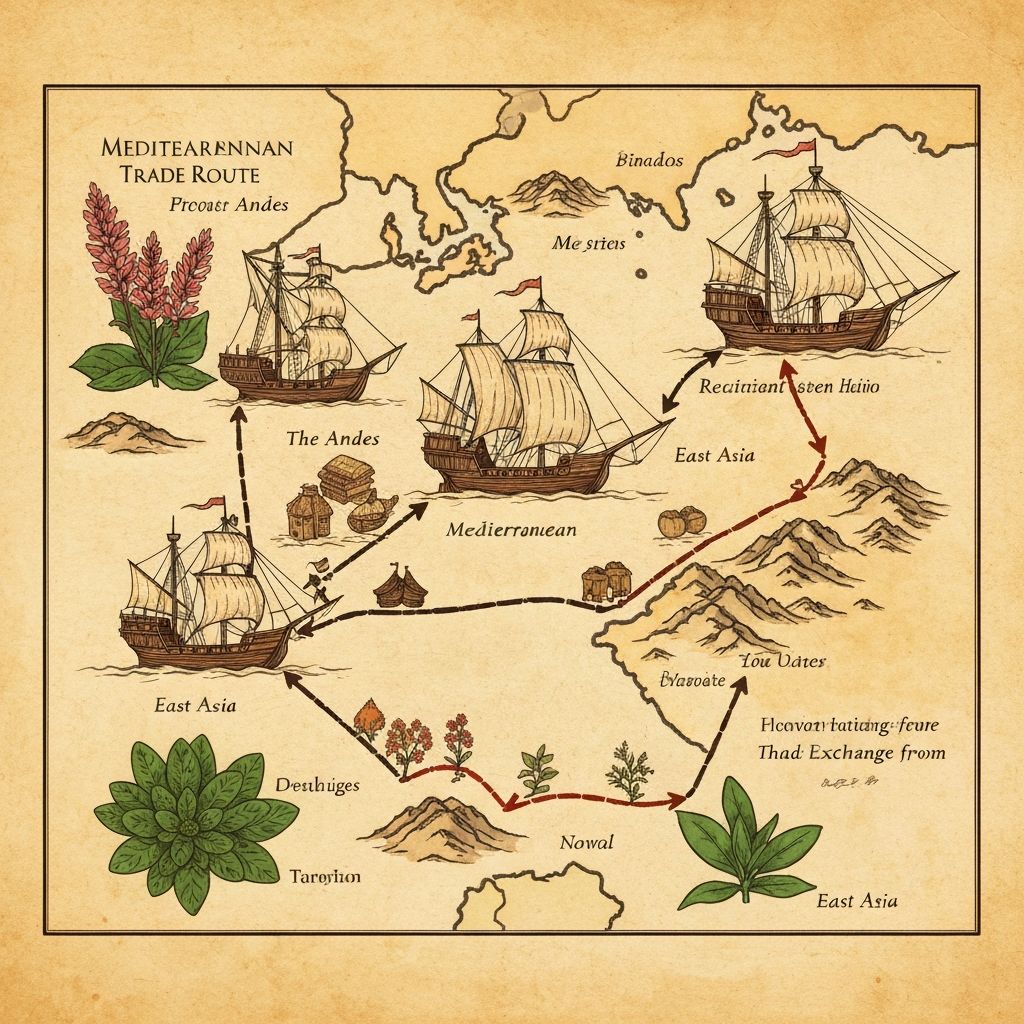
The knowledge of maca, originally isolated to Andean regions, and ginseng, traditionally used in East Asia, has spread globally through historical trade networks and cultural exchanges. European traders, explorers, and botanists documented encounters with these roots beginning in the 16th century.
Mediterranean Context
By the 17th and 18th centuries, Mediterranean regions became centers for documenting and discussing exotic plant materials brought through trade routes. Mediterranean cultures incorporated information about these distant root plants into their own herbal knowledge systems, blending indigenous European botanical traditions with newly encountered global resources.
Contemporary Distribution
Today, both maca and ginseng are available across Mediterranean-influenced regions, though knowledge of their traditional uses often remains disconnected from their original cultural contexts. Modern interest in traditional botanical knowledge has sparked renewed academic and cultural investigation into how these roots have been historically valued.
Root Use in Daily Wellness Traditions
Nutrition and Physical Equilibrium
Across multiple cultures, maca and ginseng have held roles in daily nutritional practices and physical wellness rituals. In Andean communities, maca consumption has been integrated into daily diet for thousands of years. In East Asian traditions, ginseng occupies a central place in seasonal health-supporting practices.
Cultural Rituals and Practices
Both roots appear in cultural practices surrounding general activity maintenance and bodily comfort. These traditions reflect long-standing observational knowledge about the effects of root consumption on human experience of daily vigor and physical mobility in natural life contexts.
Traditional Preparation Contexts
Roots are traditionally consumed in diverse forms—as powders mixed into beverages, as boiled decoctions, as components in combined herbal preparations, and sometimes as whole or sliced dried forms. The context of consumption often connects to seasonal changes, daily meal patterns, and cultural calendar events.
Basic Breathing Awareness Techniques

Traditional wellness practices across cultures incorporate breath awareness as a foundational technique for maintaining physical and mental equilibrium.
Diaphragmatic Patterns
Traditional diaphragmatic breathing, practiced in various forms across Mediterranean and Asian cultures, involves conscious awareness of the breathing cycle and engagement of the diaphragm muscle. This technique has been integrated into daily practice and ritualized movement forms for millennia.
Implementation in Daily Life
Basic breathing awareness involves bringing conscious attention to the natural rhythm of inhalation and exhalation, often practiced for brief periods throughout the day. Many traditional cultures include breathing practices as part of morning rituals, transitional moments between activities, and evening wind-down sequences.
Integration with Physical Activity
Breath awareness is often coordinated with gentle movement, stretching, or postural practices, creating integrated techniques for maintaining bodily awareness and physical coordination in everyday life contexts.
Quick Relaxation Pauses

Traditional practices across cultures include structured brief pauses designed to support physical relaxation and stress modulation during daily activities.
Body-Focused Methods
These techniques direct attention to specific body regions, often combining gentle awareness with intentional release of muscular tension. Traditional cultures developed specific sequences for maintaining bodily comfort during work and daily tasks.
Timing and Frequency
Short relaxation pauses are traditionally integrated at regular intervals throughout the day—often between major activities, before or after meals, or during transitional moments. These brief practices (typically 1-5 minutes) serve to reset physical and mental state.
Environmental Integration
Traditional practices often incorporate environmental elements—natural settings, plants, water, and natural light—as contextual components of relaxation techniques, reflecting cultural understanding of human connection to natural environments.
General Views on Root Variety in Lifestyle
Across Mediterranean and other regions, the inclusion of diverse root plants in daily dietary and wellness practices reflects broad cultural understanding of the role of botanical diversity in supporting general activity and physical equilibrium.
Dietary Diversity
Traditional food systems across cultures emphasize the consumption of diverse plant varieties, including numerous root vegetables and medicinal roots. This diversity principle reflects understanding that varied botanical sources provide complementary nutritional and practical benefits.
Balanced Activity Support
The integration of specific roots like maca and ginseng into wellness traditions appears connected to broader cultural practices supporting balanced daily activity, physical comfort, and general bodily equilibrium without specific targeting of isolated physiological outcomes.
Holistic Wellness Approach
Traditional approaches view root consumption as one component within larger systems including dietary practices, movement, rest, seasonal adaptation, and environmental engagement. The role of individual plants is understood within these comprehensive frameworks rather than as isolated interventions.
Essential Limitations & Context
About This Information
This website provides educational and informational content about the botanical, historical, and cultural aspects of Lepidium meyenii and Panax ginseng. The materials presented are descriptive and contextual in nature.
No Individual Recommendations
This content does not constitute personalized recommendations for any individual. The information describes traditional uses and cultural contexts without suggesting specific applications for particular persons or conditions.
Diverse Approaches
Daily wellness practices vary widely across individuals and cultures. What is described here as traditional use in certain contexts does not represent universal application or guarantee of outcomes for any specific person.
Personal Decision-Making
Individual choices regarding consumption of any botanical material should reflect personal research, consultation with relevant professionals, cultural considerations, and individual circumstances. This website does not replace personal judgment or professional consultation.